OUR WORK / ENVIRONMENTAL EDUCATIONAN OPEN LEARNING JOURNAL · 01
01 / THE IDEA
Learning begins when we look again.
CURIOUS MINDS / ILLUSTRATIVE PHOTO
OUR APPROACH
“Nature becomes a classroom when everyone has room to notice, ask and wonder.”“Naturebecomesaclassroomwheneveryonehasroomtonotice,askandwonder.”
Environmental education is more than sharing facts. It works best when learners can observe for themselves, bring their own experiences into the conversation and question what they see. A familiar outdoor space can make complex relationships—between soil, water, plants and people—feel tangible.
Move down the page to follow the learning sequence. These are illustrative educational ideas, not advertised sessions.
01 / 03 Observe
What catches your attention?
Notice what is already around us.
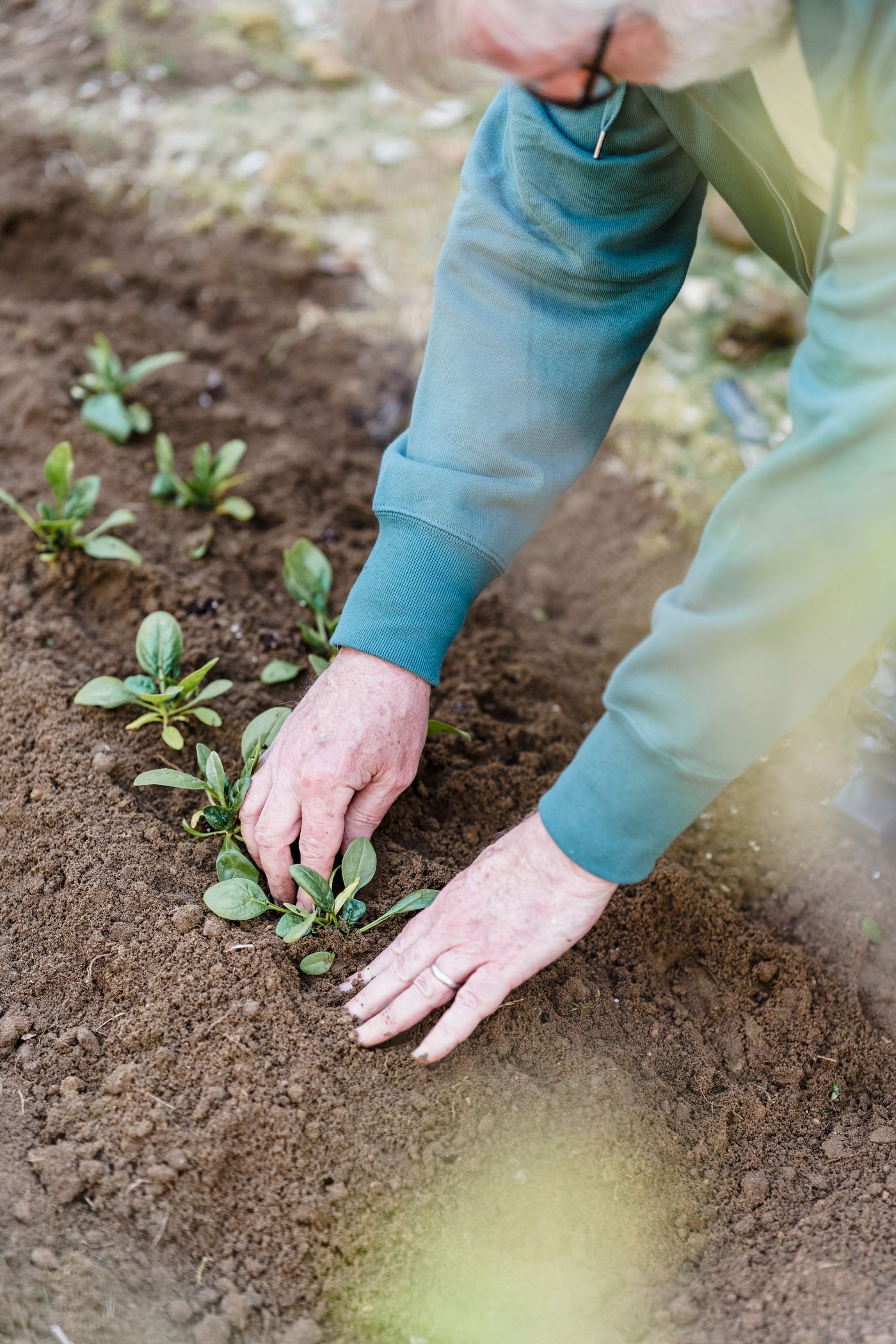
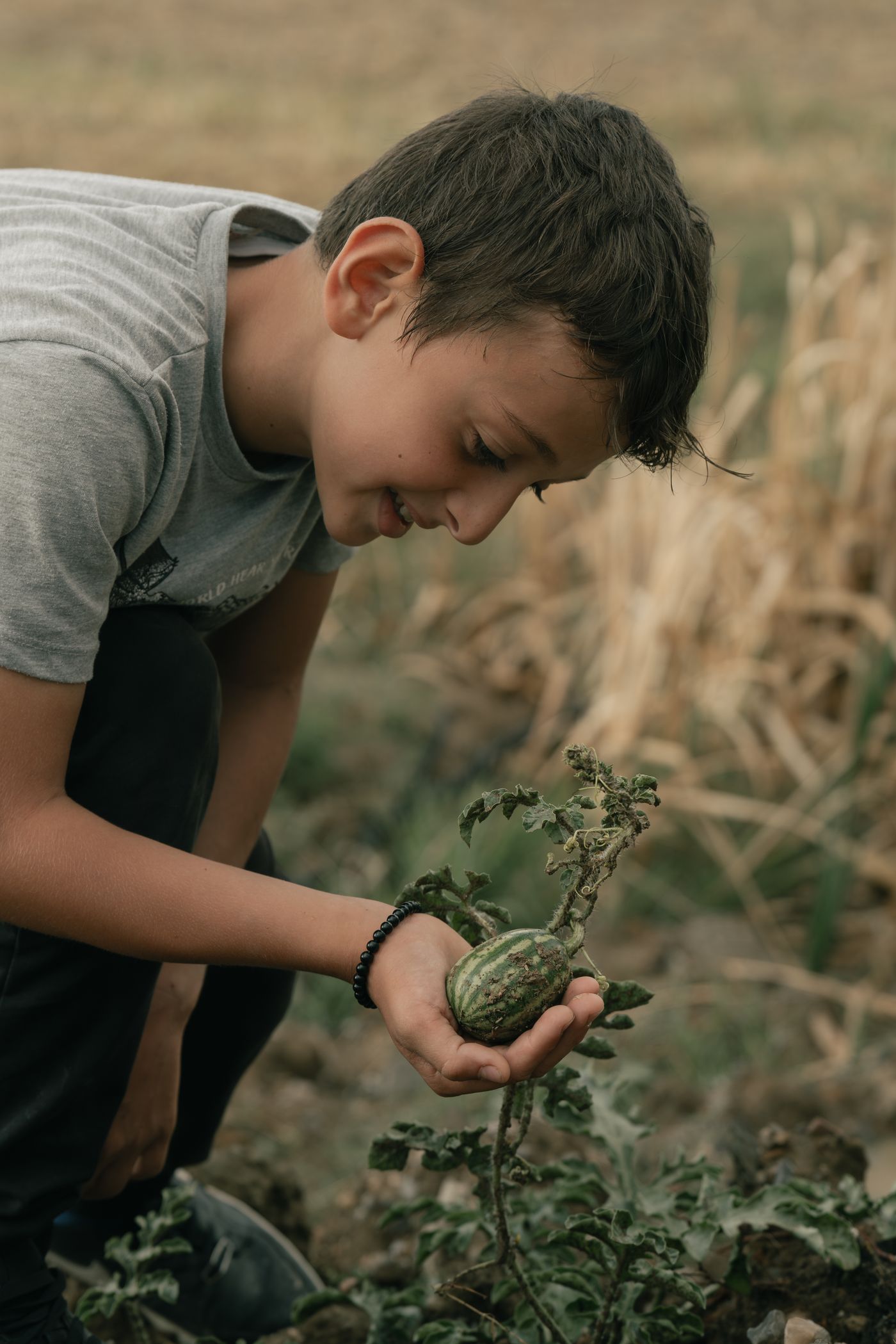
A leaf, a pathway or the shoreline can start an environmental conversation. Look for patterns: where does water collect, what grows in shade and what changes with the weather? Close observation can lead to better questions.
ENVIRONMENTAL LEARNING / ILLUSTRATIVE
02 / 03 Question
Why might this be happening?
Make room for curiosity.
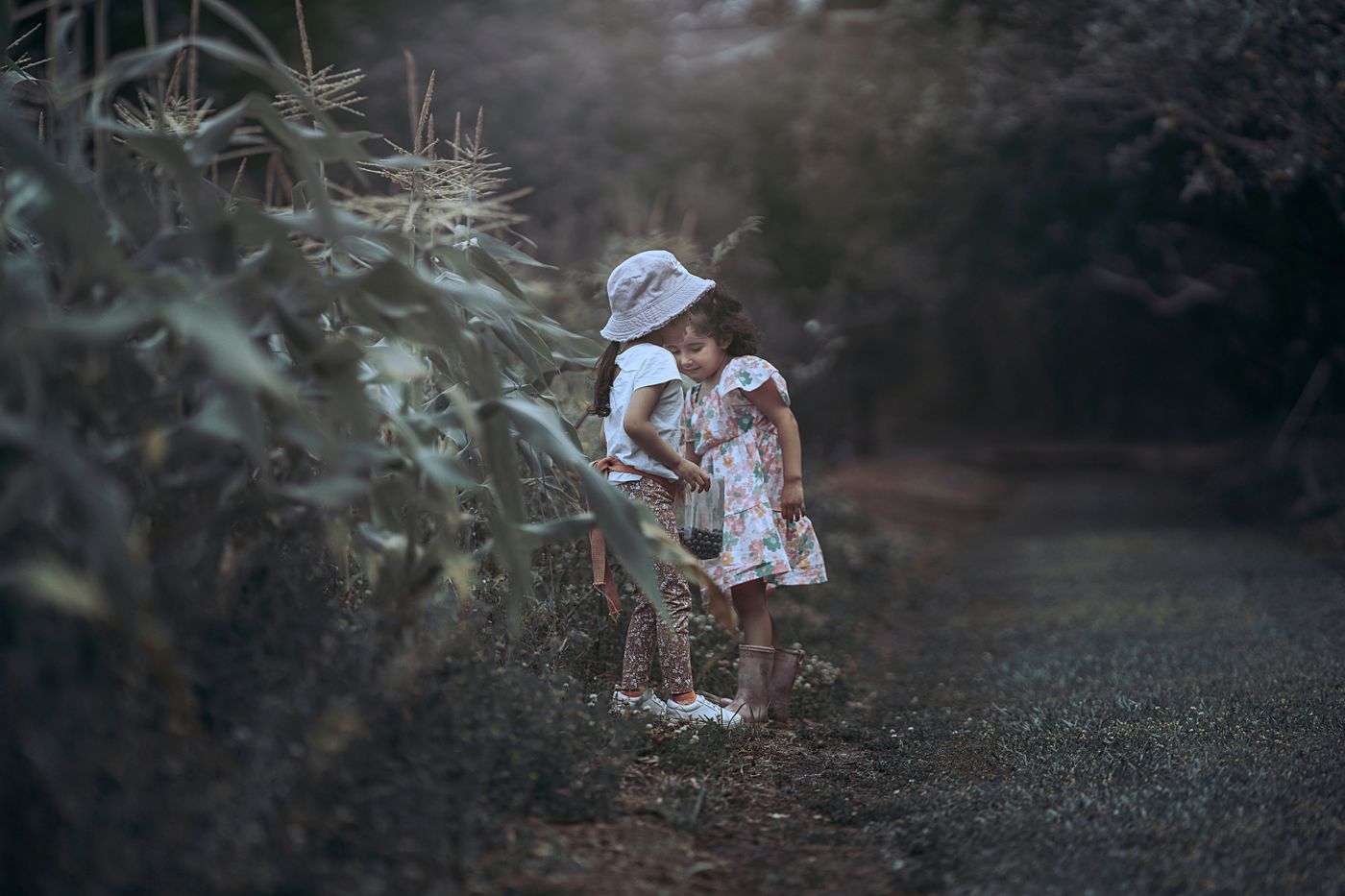
Ask what people notice differently, compare possible explanations and make room for uncertainty. A learner may see a plant, while a neighbour remembers when it first appeared. Both can help shape the next question.
ENVIRONMENTAL LEARNING / ILLUSTRATIVE
03 / 03 Care
What small change could help?
Carry an idea into everyday life.
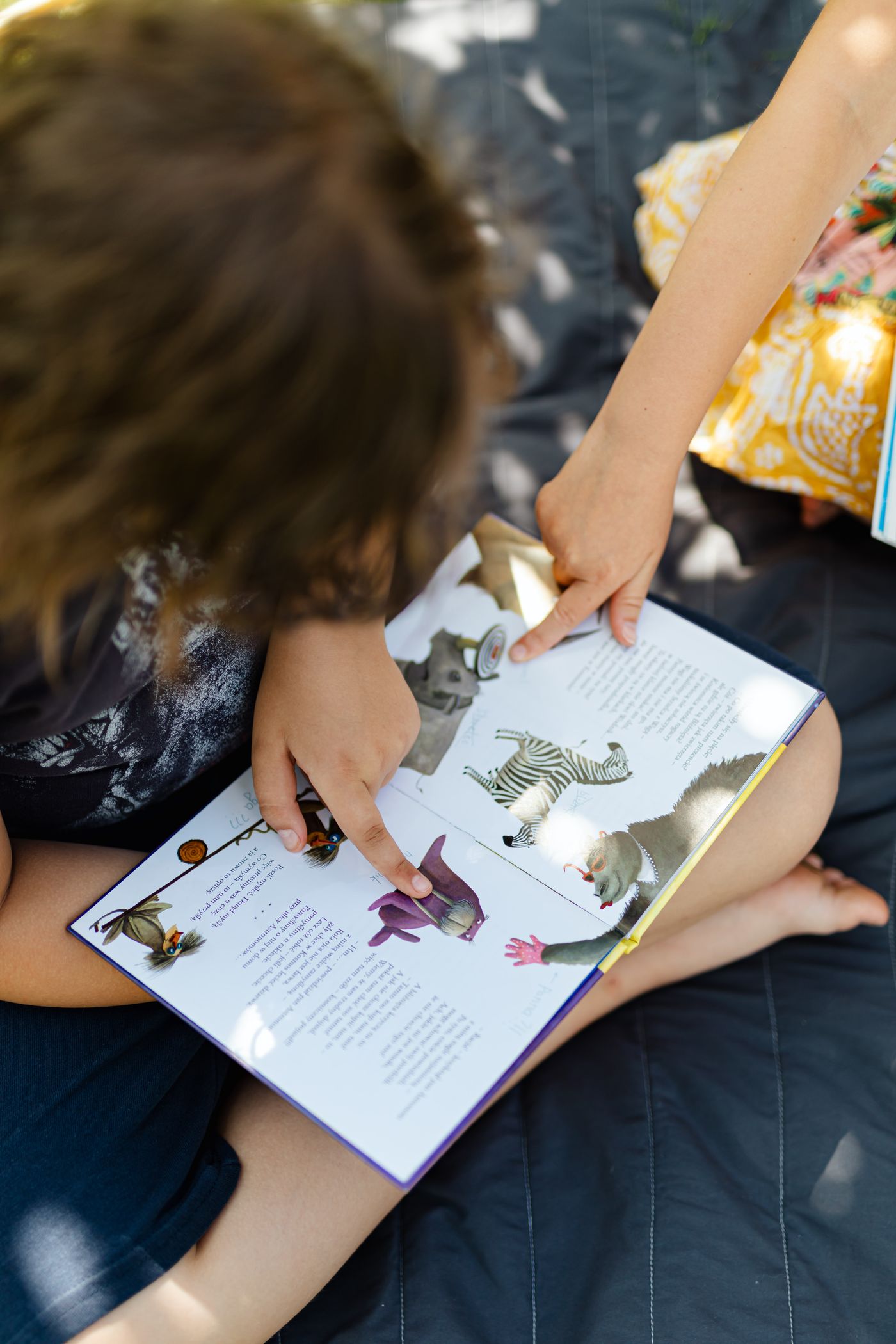
Learning can carry forward in small, thoughtful ways: observing a place again, sharing a discovery or choosing how to reduce disturbance. The most useful next step should fit the people and landscape involved.
ENVIRONMENTAL LEARNING / ILLUSTRATIVE
A PAGE FROM THE FIELD NOTEBOOK / 03
Turn an ordinary walk into a way of seeing.
A learning experience need not begin with an elaborate lesson. A familiar outdoor place and a thoughtful question can open a conversation.
A SAMPLE ACTIVITY GUIDE · NOT A SCHEDULED PROGRAMME
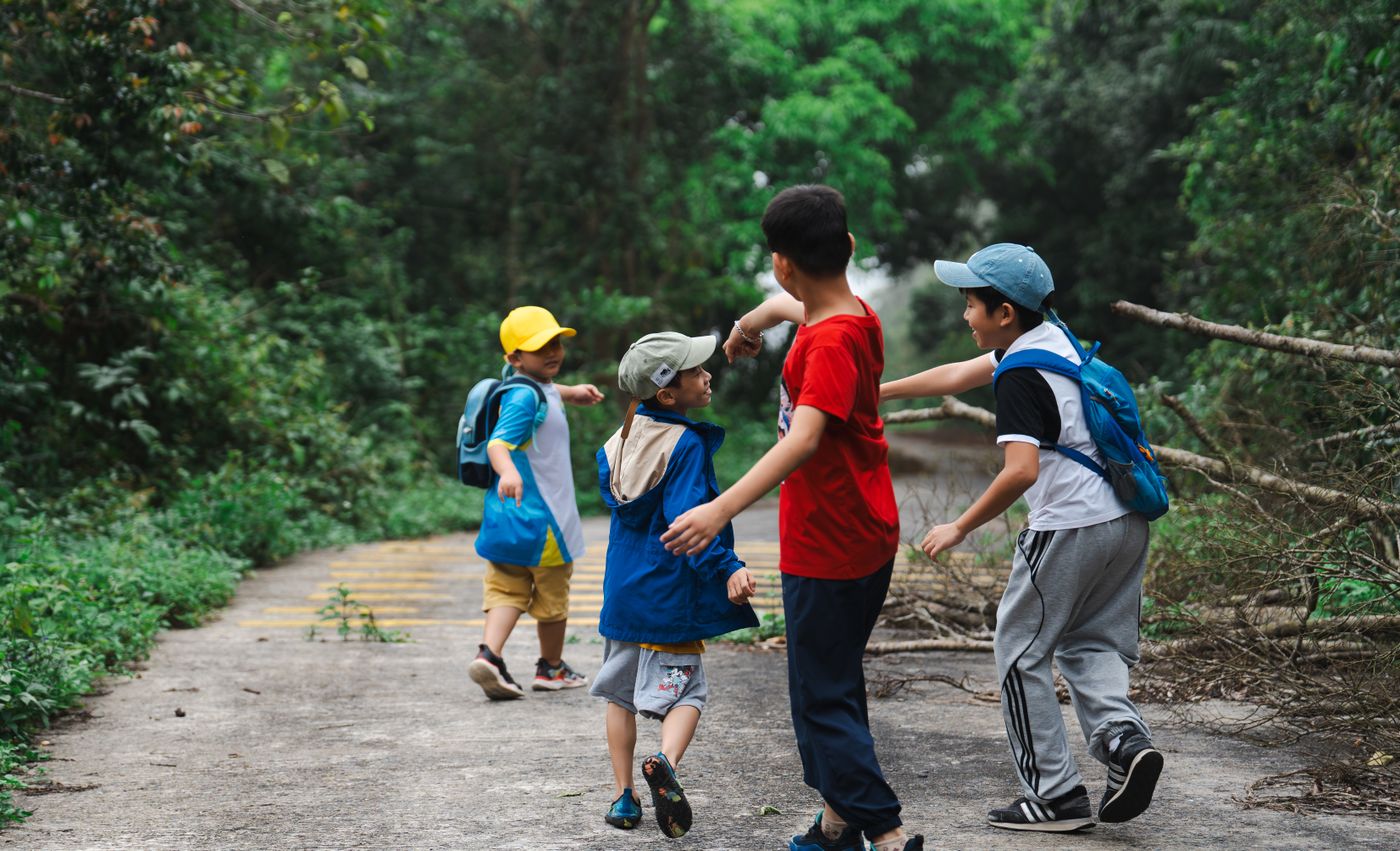
OUTDOOR LEARNING / ILLUSTRATIVE PHOTO
01 / BEGIN
Pick one familiar place.
A tree, patch of soil or stretch of shoreline is enough. What can everyone see, hear and feel?
02 / WONDER
Follow a real question.
What changed after rain? Who else depends on this place? Invite more than one explanation.
03 / SHARE
Leave with one observation.
Sketch, tell a short story or share something to notice again on the next visit.
BEYOND THE NOTEBOOK / 04
A different doorway for every learner.
There is no single age, lesson plan or venue that makes environmental learning meaningful. These are examples of how the same idea can meet people where they are.
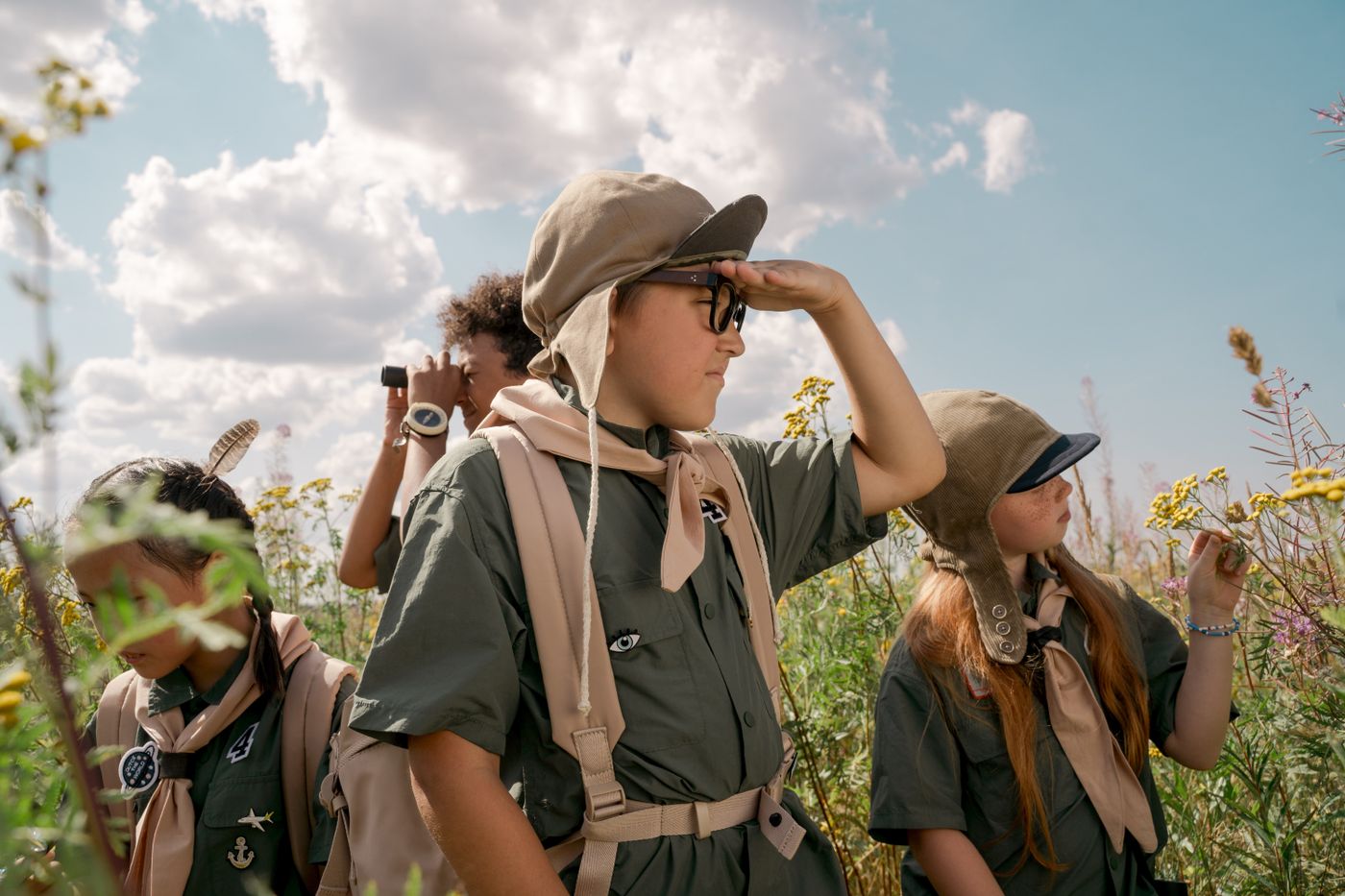
EXPLORATION CAN BEGIN ANYWHEREILLUSTRATIVE PHOTOGRAPH
01FOR YOUNG LEARNERS
Curiosity before conclusions.
A short outdoor observation can help children connect everyday details with bigger environmental questions. Start with a shape, a sound, an insect or a patch of shade; let them describe what they actually see before explaining it.
A QUESTION TO TRY
What three things were different from the last time you visited?
02FOR EDUCATORS & GROUPS
An experience people can discuss.
Build a shared activity around one local question. Invite sketches, descriptions and comparisons, then bring the group together to explore what the observations might mean. Make space for people who learn or communicate differently.
A QUESTION TO TRY
How might we record what we noticed without collecting or disturbing anything?
03FOR FAMILIES & NEIGHBOURS
Keep learning after the walk.
Environmental learning continues in everyday conversations—about rain, rubbish, soil, trees and the water we use. Returning to a familiar place can reveal seasonal changes, and local stories can provide context a worksheet cannot.
A QUESTION TO TRY
Who else knows this place, and what could we ask them?
These are suggested approaches to learning, not confirmed services, lessons or scheduled activities.
05 / TAKE IT FURTHER
Learning grows when we share it.
Whether you are thinking about a school, an informal group or a first outdoor conversation, bring your question and the context behind it. A good learning experience begins with understanding who it is for.
Illustrative licensed photos are not evidence of completed activities, verified staff, accommodation or bookable services. Enquiries are not submitted through this preview.

 ENVIRONMENTAL LEARNING / ILLUSTRATIVE