
LIVELIHOODS
The everyday route to the water.
For someone who depends on the lake, access, safety and changing fishing conditions may be urgent questions. Any conversation about habitat must take those realities seriously.
Places carry ecological value, livelihoods, memory and hope for the future. Responsible conservation needs more than one perspective to understand them—and meaningful ways for those perspectives to influence decisions.
Daily knowledge of seasons, access routes and changes in the landscape can reveal what a short visit misses. A useful conservation question begins with people who have lived with a place over time.
Photos illustrate themes, not confirmed partners.Start with what people have seen changing, what they value and how the landscape fits into daily life. Avoid arriving with a solution already chosen.
Different ages, livelihoods and relationships to the place can reveal concerns that a single meeting or survey might miss.
Be specific about what could be explored, who would be involved and which commitments cannot yet be made. Leave room to revisit the plan.
Conservation decisions become more grounded when they allow for the knowledge, time and priorities of the people a place belongs to.
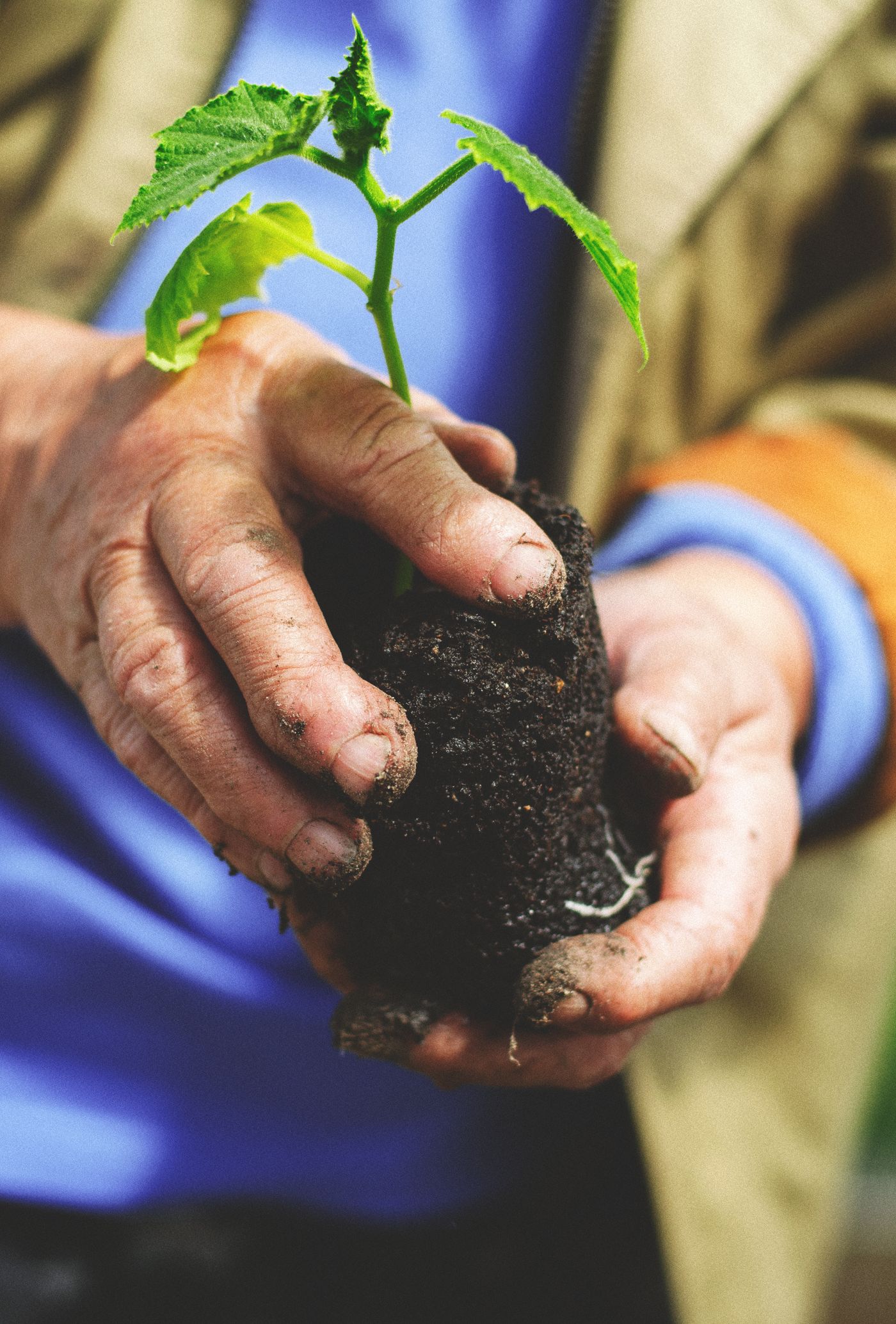
Consider whose experiences, responsibilities or viewpoints might not be represented yet.
Think about access, time, local priorities and whether expectations are realistic.
Good ideas need clear communication about decisions, uncertainty and next steps.
Consider this illustrative situation: after heavy rain, a familiar stretch of shoreline looks different. People living and learning nearby may notice different effects—and have different ideas about what matters most.

The question is not whose experience is right. It is what can be understood when the experiences are considered together.
For someone who depends on the lake, access, safety and changing fishing conditions may be urgent questions. Any conversation about habitat must take those realities seriously.
Plants, shallows and water quality may tell another part of the story. A site needs careful observation before causes or solutions are assumed.
A learner might ask why the water looks different after rain. Recording that observation and returning to it later can open a conversation across generations.
This is a hypothetical learning example, not a documented project, community consultation or named partnership.
Share the place you care about, the question you are trying to answer and the people who should be part of the conversation. Practical conservation begins with listening—and continues with clarity about what happens next.
Explore partnershipIllustrative licensed photos are not evidence of completed activities, verified staff, accommodation or bookable services. Enquiries are not submitted through this preview.