Skip to page information
OUR WORK / BIODIVERSITY01 — A FIELD GUIDE
THE LIVING WORLD

A closer look at what connects us.

Conservation begins by understanding a place. Explore three connected perspectives on biodiversity around Lake Victoria.

Explore the themes

Explore the living world

Select a theme to open its visual field notes. These are ideas for learning, not claims of completed conservation activities.

WHAT TO NOTICE
  • Notice vegetation, erosion and changes at the waterline
  • Consider where runoff and sediment may enter the lake
  • Look for links between water quality, aquatic life and livelihoods
  • Listen to people who know the shoreline across seasons
A QUESTION TO CARRYWhat changes at the waterline, and who notices first?

A shoreline can be habitat, a route to the water and a place of work all at once. Changes in vegetation, water clarity or access may affect different people and species differently. Understanding the causes requires both ecological evidence and local experience.
FreshwaterShorelinesLiving systems
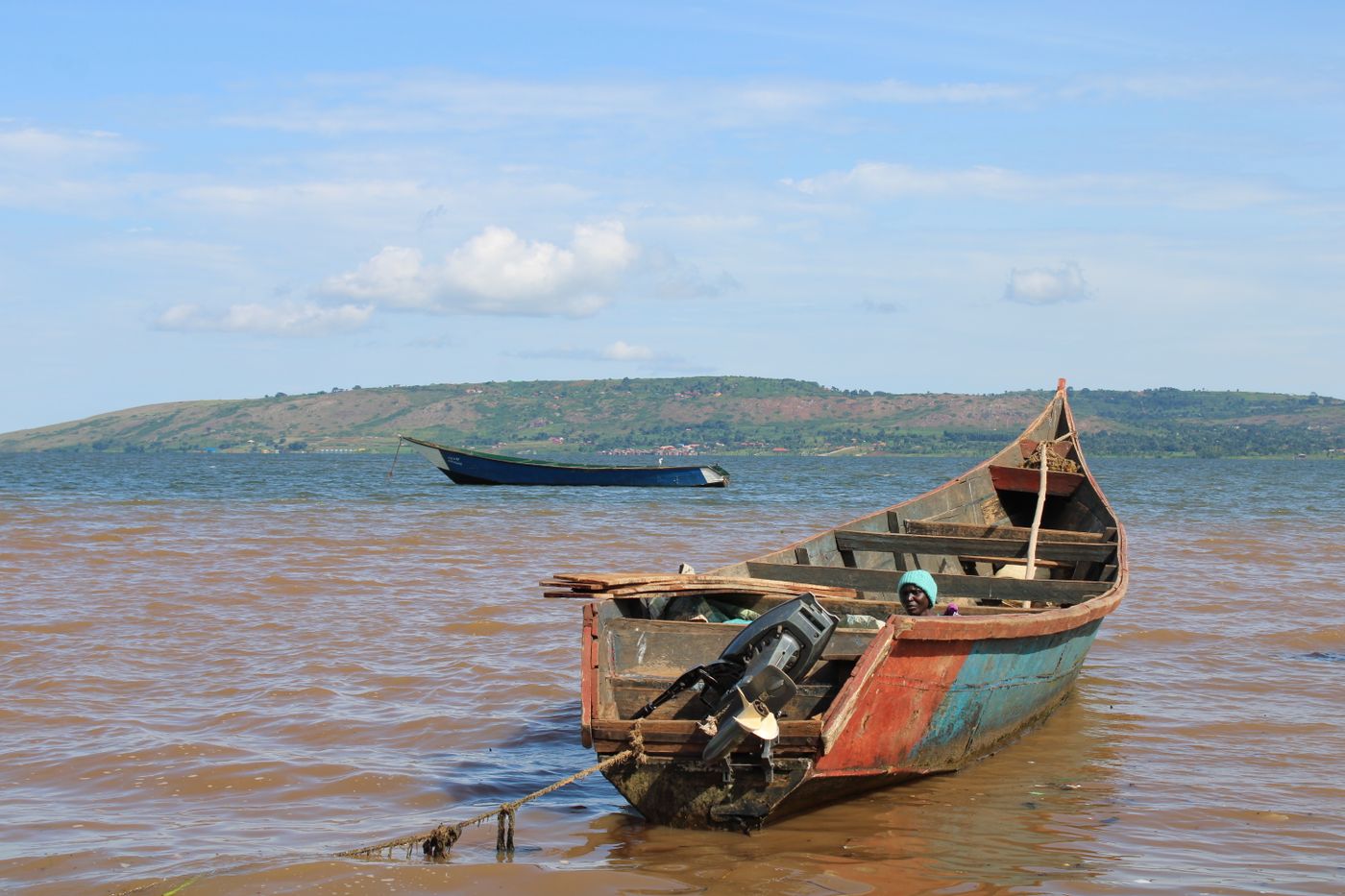
Illustrative stock photograph: Traditional boat on Lake Victoria in Uganda
Lake Victoria / illustrative
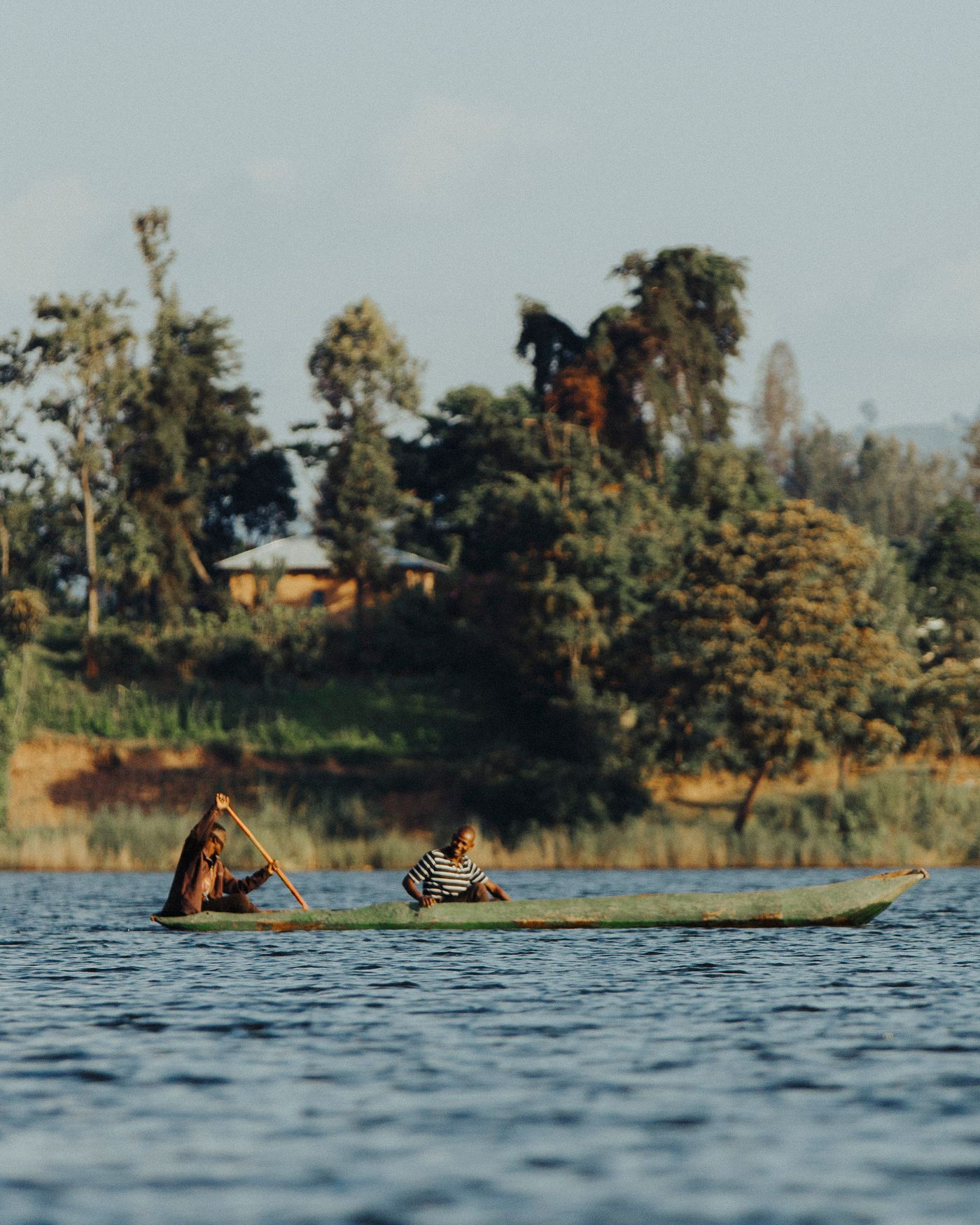
Illustrative stock photograph: Canoe on a lake with a lush Ugandan forest shoreline
Lake shoreline / illustrative
THE BIGGER PICTURE / 02

No living thing exists on its own.

Each field note points beyond a single place or species. Conservation conversations grow stronger when we can see the relationships between them.

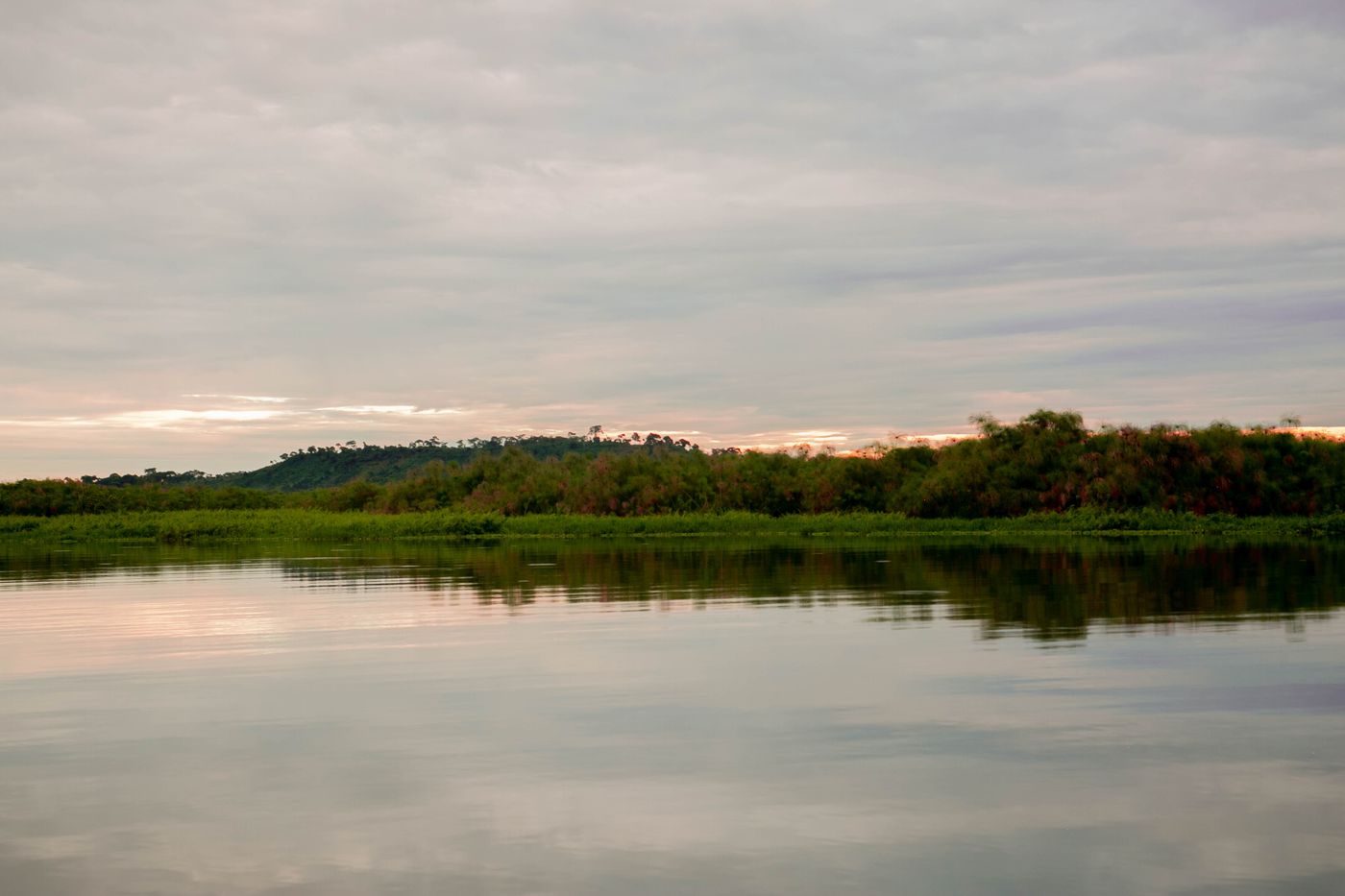
Illustrative stock photograph: Lake at sunset with green shoreline
LAKESIDE RELATIONSHIPSILLUSTRATIVE PHOTOGRAPH
01

Water shapes daily life

Shorelines support ecological relationships and the everyday work of communities living beside them.

02

Plants hold a landscape together

Ground cover, roots and vegetation influence soil, shade, water movement and habitat.

03

Wildlife depends on the whole

A species is connected to food sources, shelter, healthy habitats and neighboring human activity.

A perspective on how to think about biodiversity—not a report of completed field research.

READING THE BASIN / 03

The pressures are connected, too.

Biodiversity does not disappear because of a single isolated event. Water quality, habitat change, introduced species and climate pressures can interact across an entire watershed.

These four themes offer a grounded starting point for understanding the Lake Victoria Basin, rather than a diagnosis of any particular site.

LAKE VICTORIA BASIN · LEARNING NOTES

A helpful question is not only “What is changing?” but also “What else could this change affect?”

  1. 01
    WATER QUALITY

    What reaches the lake begins on land.

    Soil, nutrients and waste carried by runoff can change water clarity and conditions for aquatic life. Healthy freshwater systems depend on what happens throughout the wider catchment, not only at the shore.

    LOOK CLOSERFollow the route of rainwater, drains and streams before they enter a larger waterbody.
  2. 02
    HABITAT EDGES

    Wetlands are more than empty space.

    Reeds, marshes and other wetland habitats can provide shelter, help retain sediments and connect land with freshwater. Filling, draining or altering those edges can disrupt several ecological functions at once.

    LOOK CLOSERNotice where vegetation, shallow water and human access meet.
  3. 03
    SPECIES & BALANCE

    Changing one link changes the network.

    Introduced species and shifts in food webs can affect native freshwater biodiversity. The response cannot be one-size-fits-all: understanding local species and their habitats is an essential first step.

    LOOK CLOSERAsk which plants and animals are native, introduced or locally declining—and check the evidence.
  4. 04
    A CHANGING CLIMATE

    Resilience depends on connected choices.

    Rainfall variability, land-use change and other pressures can compound risks for habitats and people. Protecting water, soil and habitat together helps frame more practical questions than treating each issue alone.

    LOOK CLOSERCompare changes across seasons and listen to people who observe them over time.
FURTHER READING

Explore the IUCN assessment of freshwater biodiversity, habitat priorities and livelihoods in the Lake Victoria Basin.

Read the IUCN resource
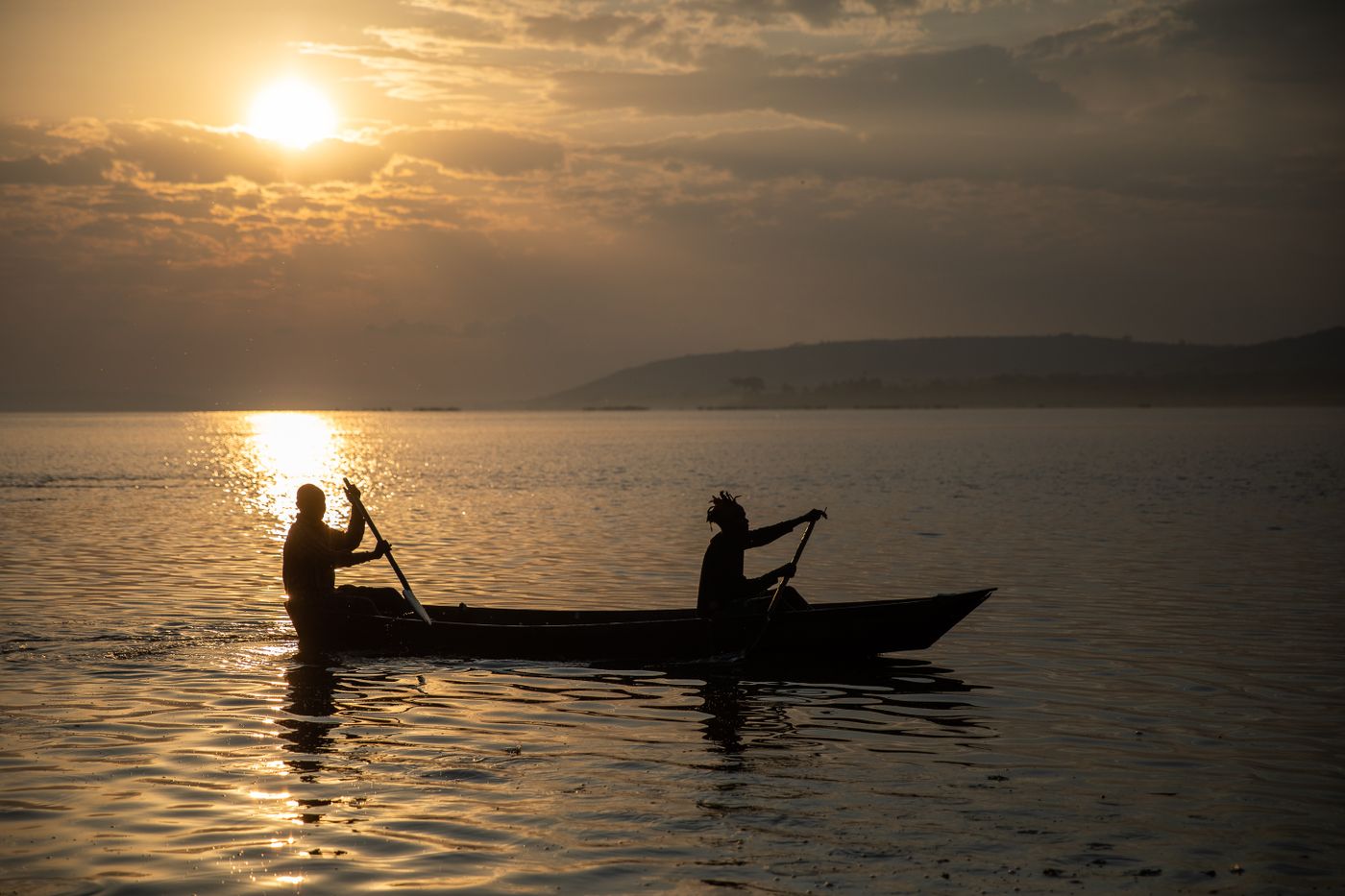
Illustrative stock photograph: Canoeing at sunset on Lake VictoriaLake Victoria / illustrative
FROM CURIOSITY TO CARE

Looking closer changes what we notice.

Better questions lead to better choices: what should be protected, what needs closer study, and whose knowledge should guide the next step? Environmental learning creates room to explore those questions before deciding how to act.

Explore environmental education

Illustrative licensed photos are not evidence of completed activities, verified staff, accommodation or bookable services. Enquiries are not submitted through this preview.