
COLLABORATION / 01
Learning partners
Schools, educators and organizations developing environmental engagement.
Explore a shared goal before agreeing on any activity.
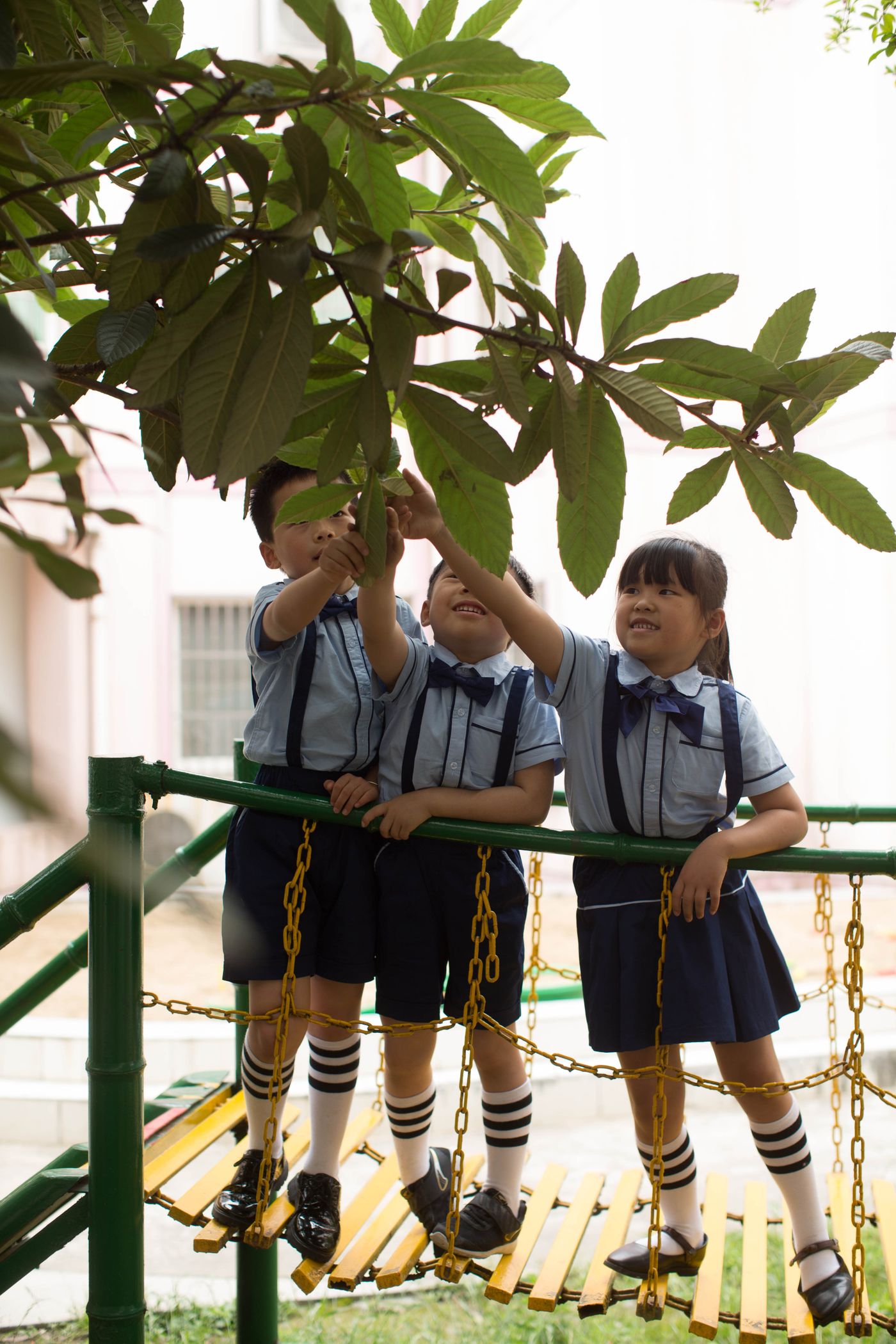
Open a conversation about community work, learning partnerships and conservation collaboration.
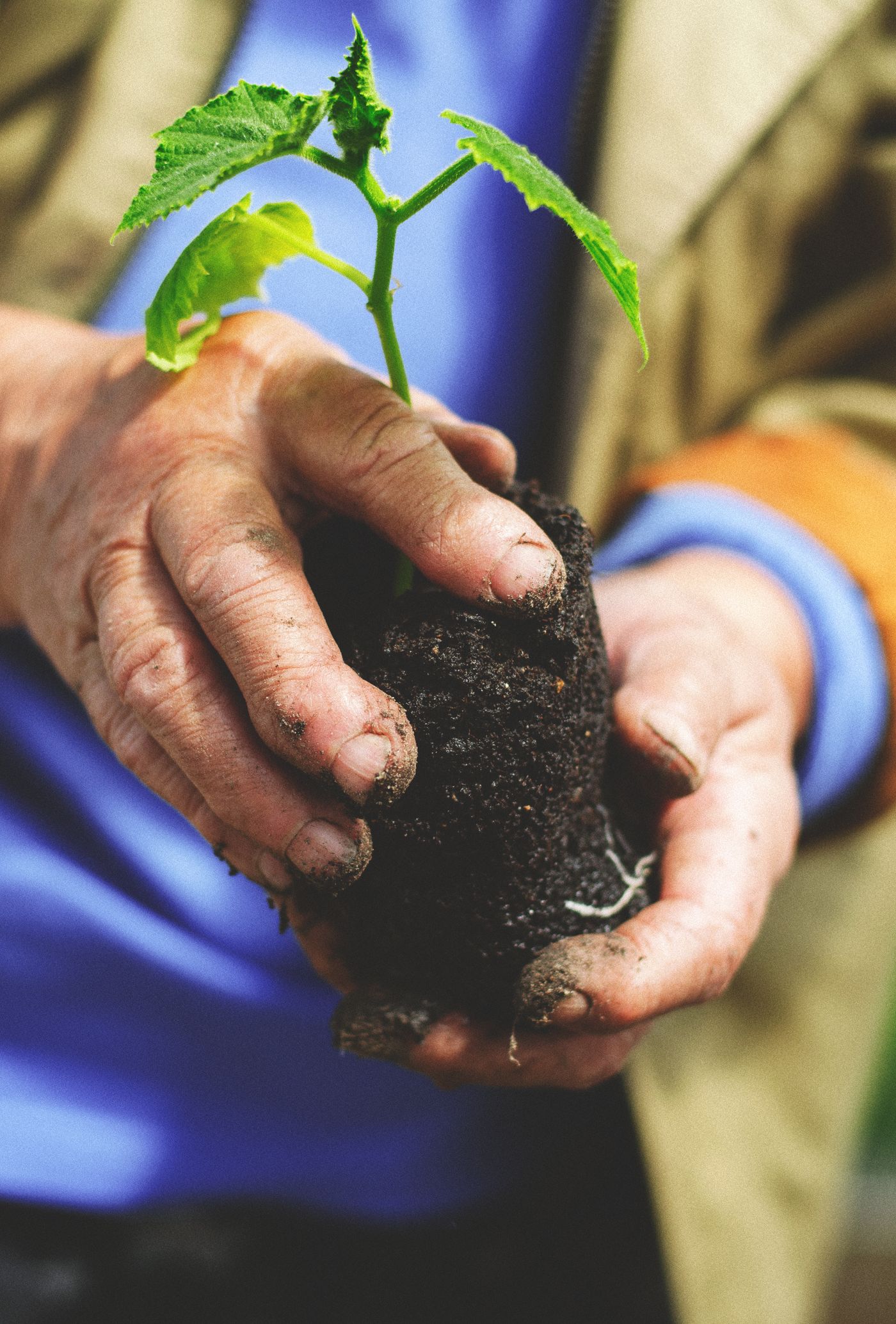
Partnerships can bring education, community voices and environmental experience into the same conversation. These are possible forms of collaboration, not a published list of existing partners.
Introduce your organizationSchools, educators and organizations developing environmental engagement.
Groups concerned with ecosystems, habitats and local knowledge.
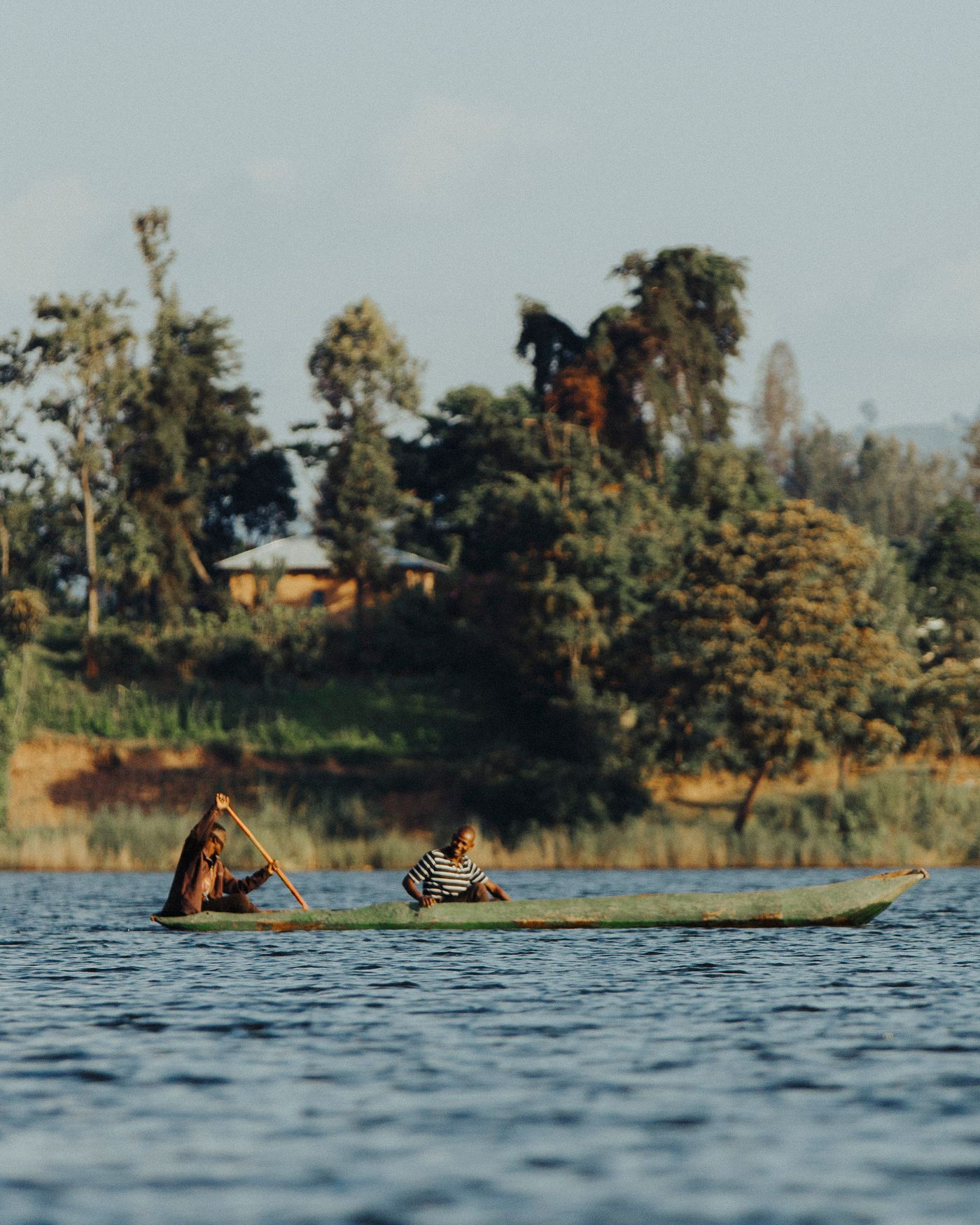
People building stories, events or outreach initiatives.

A collaboration works best when both sides understand its purpose, responsibilities and boundaries.
Identify a conservation or learning goal you share.
Discuss practical responsibilities, resources and boundaries.
Decide how to reflect and communicate responsibly.
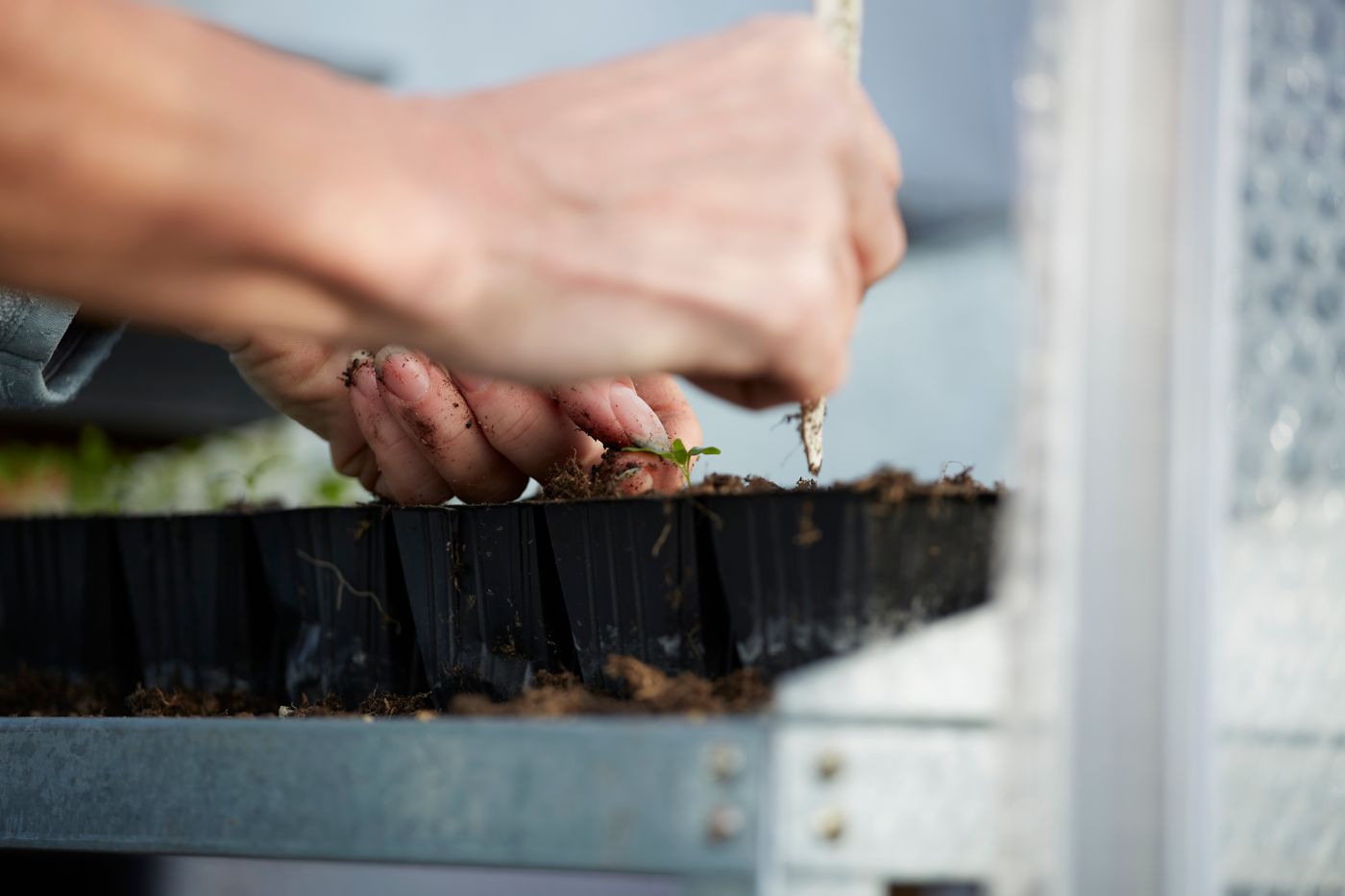
You do not need a finished project plan. A clear idea of the environmental or learning need is the strongest place to begin.
Give a short description and a reliable contact.
Identify the environmental or educational need you want to address.
Outline potential roles, support and timing.
Discuss responsibilities, permissions and how progress could be reported.

Real partnerships require mutual agreement, not assumptions about commitments or outcomes.
Not yet in this website preview. The team can discuss options case by case.
Introduce your organization, share the goal and outline what you hope to contribute. The next step is a real discussion.
Discuss a partnershipIllustrative licensed photos are not evidence of completed activities, verified staff, accommodation or bookable services. Enquiries are not submitted through this preview.